


5 Ways Contractors Can Improve Cash Flow (Without Taking Out a Loan)
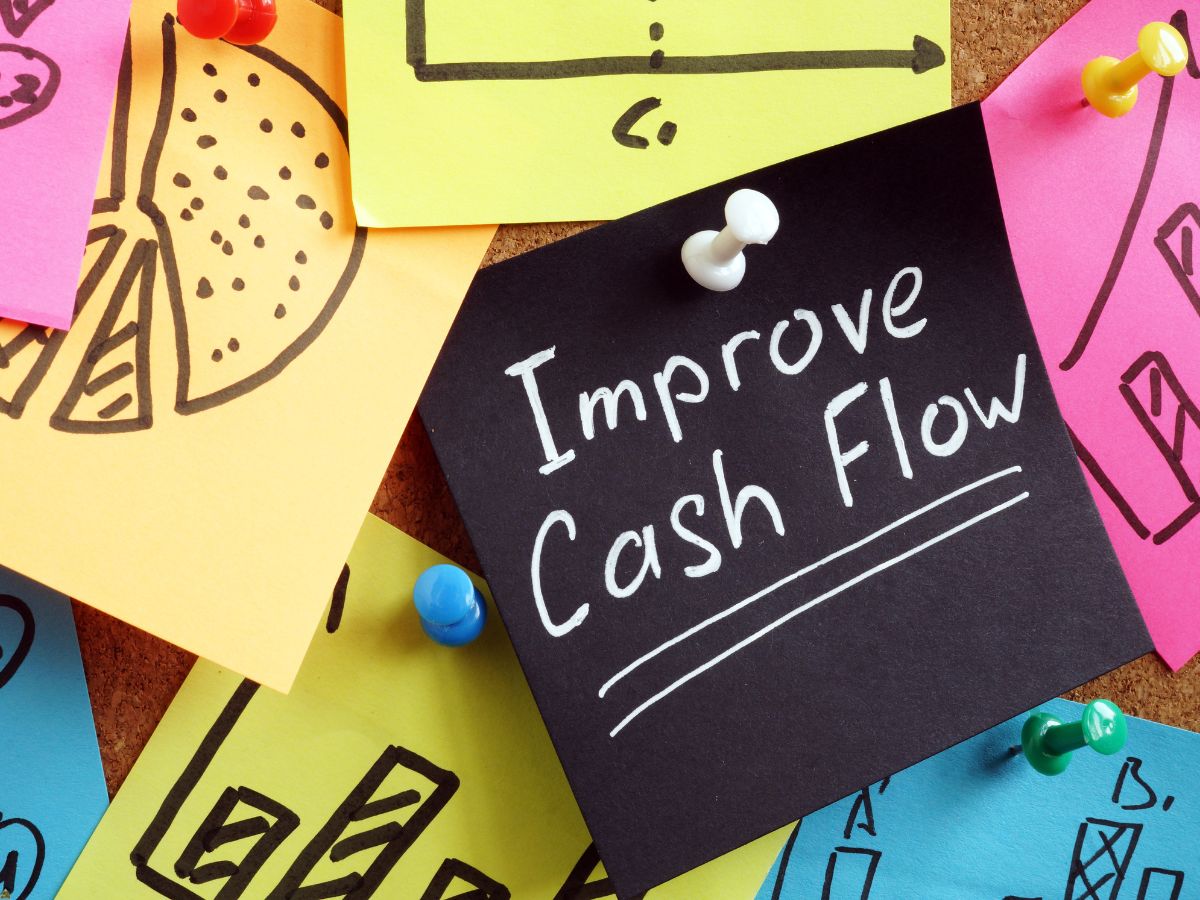
Running a contracting business often means dealing with unpredictable cash flow. Jobs wrap up, invoices go out, and then the waiting begins. Clients pay late, materials get more expensive, and payroll doesn’t pause just because a check hasn’t cleared. It’s a familiar cycle for many contractors—money comes in waves, but expenses never stop. Staying profitable in the middle of that cash flow rollercoaster is one of the toughest parts of running a small business.
The good news is that improving business cash flow doesn’t always require taking out loans or opening new credit lines. Sometimes, it’s about small operational changes that make a big difference, like tightening your invoicing process, negotiating better terms with suppliers, or finding ways to access funds the same day you’re paid. Understanding how to improve cash flow in a business comes down to timing, discipline, and choosing systems that keep money moving instead of getting stuck.
In this guide, you’ll discover five practical strategies contractors can use to keep projects running smoothly and income consistent. From streamlining how you bill clients to leveraging same-day business check cashing through DNV Cheques, these proven steps will help you reduce financial stress, create stability, and build a business that truly pays you back.
Understanding Cash Flow in Contracting

Why Contractors Feel the Squeeze
For contractors, the timing between finishing a project and getting paid can create major financial pressure. Many clients operate on payment cycles of 30, 60, or even 90 days after a job is completed. Meanwhile, expenses don’t wait. Materials, labor, equipment rentals, insurance, and permits all need to be covered long before the final invoice clears. This mismatch between outflow and inflow is why so many construction and trade businesses struggle to stay ahead.
These gaps can make it difficult to keep operations running smoothly. A contractor might have several projects lined up but not enough cash on hand to start the next one. Payroll can become tight, vendor payments get delayed, and growth opportunities slip away. The problem isn’t a lack of work—it’s a lack of timely access to the money already earned.
Consider a simple example. A local roofing contractor completes a commercial job and submits an invoice for $25,000. The client’s payment terms are Net-45, meaning the contractor won’t see a dime for a month and a half. In the meantime, they still have to pay their crew, buy new materials, and bid on upcoming jobs. That 45-day delay can quickly drain cash reserves and force tough decisions.
- Contractors often face 30–90 day payment cycles even after completing projects.
- Upfront costs like labor, permits, and supplies reduce available working capital.
What Healthy Cash Flow Looks Like
Healthy cash flow means having more money coming in than going out—and having it arrive when you actually need it. Positive cash flow allows a business to cover daily expenses, pay workers on time, and reinvest in new opportunities. Negative cash flow, on the other hand, means cash reserves are shrinking or being tied up in unpaid invoices.
Key signs of a healthy financial rhythm include steady reserves, consistent receivables, and predictable expenses. When cash moves efficiently through your business, you can handle slow-paying clients, fund new jobs, and operate with confidence.
Improving business cash flow starts with identifying where the leaks happen—delayed billing, slow payments, or unnecessary overhead—and creating a plan to keep money moving faster and more reliably.
- Positive cash flow ensures stability and supports long-term growth.
- Tracking receivables and expenses helps contractors forecast future needs.
The Foundation for Financial Stability
Understanding how to improve cash flow in a business begins with awareness. By tracking the flow of money from start to finish, contractors can pinpoint weak spots and take proactive steps before shortfalls appear. Recognizing the patterns behind cash delays is the first step toward building a stronger, more sustainable operation.
Strategy #1: Streamline Invoicing and Payment Processes
Get Paid Faster by Removing Friction
One of the most effective ways to improve business cash flow is by reducing the lag between completing a job and getting paid. Too many contractors still rely on manual invoicing systems—handwritten bills, emailed PDFs, or mailed paper statements—that add unnecessary delays. Digital invoicing tools can cut turnaround times dramatically, helping you get paid days or even weeks faster.
Switching to online platforms allows invoices to be sent immediately when a job wraps up. You can set automated payment reminders and track client activity in real time, ensuring no invoice slips through the cracks. Adopting shorter payment terms, such as Net-15 instead of Net-30, helps accelerate income cycles and keeps cash flowing consistently. For longer or larger projects, consider progress billing—requesting payment at milestones rather than waiting until completion—to maintain liquidity throughout.
Many contractors underestimate how much time and stress they could save by modernizing their billing process. A cleaner, faster system isn’t just convenient—it’s a strategic move toward mastering how to improve cash flow in a business.
- Implement automated invoicing platforms to shorten billing cycles.
- Introduce progress billing for ongoing or large-scale jobs.
Offer Multiple Payment Options
Flexibility is key when it comes to collecting payments. The fewer barriers a client faces, the faster you’ll get paid. Accepting multiple payment methods—credit cards, ACH transfers, or mobile payment options—removes excuses like “the check’s in the mail.” When clients can pay directly from their device, transactions close faster and your cash flow improves immediately.
It also helps to set clear expectations upfront. Outline payment terms and penalties for late payments in your contracts and invoices. A reasonable late-fee policy not only encourages punctual payments but also protects your time and effort.
Contractors who make payments simple for clients are the ones who stay cash-positive year-round. Small adjustments like these create a smoother payment process and significantly improve cash consistency across projects.
- Use invoicing software like QuickBooks, Jobber, or FreshBooks for faster, trackable billing.
- Automate follow-ups and due-date reminders to reduce late payments.
The Direct Path to Stronger Cash Flow
Getting paid on time doesn’t have to feel like a battle. By removing friction from your billing process and offering flexible, digital payment options, contractors can control their cash flow instead of being controlled by it. Streamlining invoicing is the first and most essential step toward learning how to improve cash flow in small business operations—keeping your money moving and your business growing.
Strategy #2: Manage Expenses Like a Cash Flow Pro

Know What’s Going Out—And When
Learning how to improve cash flow in a business isn’t just about bringing in more money—it’s also about managing what goes out. Contractors often experience unpredictable expenses, from material surges to unexpected equipment repairs. Creating a rolling 12-month cash flow forecast helps you anticipate these costs and make smarter financial decisions. By mapping out future inflows and outflows, you can see when lean months are coming and adjust spending before cash gets tight.
Strategic timing is another powerful tool. Align large purchases or material orders with expected payments, rather than buying everything upfront. For example, if a major client payment is due in two weeks, delay a big supply purchase until the funds clear. This small shift helps you preserve working capital and maintain flexibility, even during slower periods.
This approach to expense planning ensures your business stays stable regardless of project schedules or market fluctuations. It’s a proactive way to improve business cash flow—less reaction, more control.
- Build a 12-month rolling forecast to plan purchases and expenses ahead of time.
- Time large orders or investments around receivables to avoid cash strain.
Negotiate With Vendors and Subcontractors
Smart contractors know that strong vendor relationships can make or break cash flow. Negotiating better terms with your suppliers and subcontractors can give you valuable breathing room. Many vendors are willing to extend payment terms from Net-15 to Net-30 or even Net-45 for reliable customers, freeing up short-term cash for operational needs.
In some cases, offering early payment in exchange for small discounts can also be beneficial. This builds goodwill and saves money in the long run, especially when applied strategically to high-volume suppliers. Maintaining open communication and long-term partnerships with vendors can secure more flexibility and faster service when you need it most.
Regularly reviewing your recurring expenses—subscriptions, insurance, waste services, software—can uncover savings opportunities that add up quickly. The more efficiently you manage your outflow, the easier it becomes to maintain consistent liquidity.
- Review recurring expenses quarterly to identify unnecessary or overpriced items.
- Build strong vendor relationships to secure favorable payment terms and priority service.
Turning Expense Management Into Momentum
Knowing how to improve cash flow in small business operations means thinking beyond day-to-day spending. By forecasting ahead, negotiating smartly, and timing purchases strategically, contractors can transform expense management into a competitive advantage. Every dollar you keep working in your business strengthens your ability to grow, reinvest, and weather the unexpected.
Strategy #3: Use Same-Day Check Cashing for Immediate Liquidity

When Waiting on the Bank Costs You
Even the most organized contractors can find themselves waiting days for funds to clear after depositing a check. Banks often hold deposits for one to three business days—or longer for large or out-of-state payments. While that delay may seem routine, it can quickly disrupt operations. A contractor might have materials to buy, employees to pay, or bids to submit, but without cash on hand, everything stalls.
For small and mid-sized contracting businesses, those lost days can make a real impact. Delayed access to funds can mean postponed projects, missed supplier discounts, or taking on unnecessary debt just to keep things moving. This is where understanding how to improve cash flow in a business becomes more than theory—it’s about finding practical solutions that actually keep money moving. Same-day check cashing is one of the fastest ways to improve business cash flow without relying on loans or credit lines.
By converting checks into cash immediately, contractors gain control over their finances. They no longer have to wait for a bank’s approval process or risk having their plans slowed by processing times and hold periods.
- Bank holds can delay access to payments for several days.
- Immediate check cashing provides instant liquidity and operational flexibility.
How DNV Cheques Helps Contractors Stay Liquid
DNV Cheques gives contractors a straightforward solution to the waiting game. Their same-day check cashing service offers immediate access to funds with clear, upfront fees and no surprise deductions. Whether you’re cashing a client payment, a vendor refund, or a government check, DNV Cheques ensures you can use your money right away—without depending on bank timelines or mobile deposit delays.
This service can make the difference between keeping a project on schedule or falling behind. Contractors can pay their crew, buy supplies, or secure new bids the same day a business check is received. Fast access to funds helps maintain consistent cash flow through every phase of business, from project startup to final payment.
- Avoid waiting for mobile deposit or bank hold periods.
- Use cash immediately to pay workers, purchase materials, or fund upcoming jobs.
- Keep money circulating through the business for steady financial momentum.
Real-World Example
Consider a roofing contractor who finishes a $5,000 job and receives payment by check. Instead of depositing it and waiting several days for clearance, he visits DNV Cheques. Within minutes, he walks out with cash in hand—enough to purchase shingles and supplies for his next project that afternoon. There’s no waiting, no borrowing, and no stress about pending payments.
This is how DNV Cheques helps contractors not just stay afloat, but thrive. By offering same-day check cashing, it gives small business owners the liquidity they need to keep jobs moving, clients happy, and cash flow steady—proving that the right tools can make all the difference in how to improve cash flow in small business operations.
Strategy #4: Build a Cash Reserve for Stability

Protecting Your Business From the Unexpected
No matter how carefully a contractor plans, unexpected costs and payment delays are inevitable. Weather can halt a project, clients can pay late, or a key piece of equipment can fail at the worst possible time. That’s why having a cash reserve isn’t just a safety net—it’s a critical part of learning how to improve cash flow in a business. Setting aside a small percentage of every payment creates a buffer that helps your company stay steady through slow seasons or unforeseen challenges.
A well-managed reserve fund allows contractors to handle emergencies without taking on debt or interrupting daily operations. It helps bridge the gap when a large client delays payment or when material costs suddenly spike. Instead of scrambling for a loan or dipping into personal savings, you’ll have dedicated funds ready to keep things running smoothly.
This simple but powerful strategy can transform the financial stability of a contracting business. Building a reserve doesn’t have to happen overnight—it’s about creating consistent habits that add up over time.
- Reserves protect against sudden expenses, payment delays, and seasonal dips.
- Keeping extra cash on hand reduces financial stress during slower months.
Small Steps Add Up
Contractors can start small and still make meaningful progress. Saving even 3–5% of each project’s net revenue gradually builds a cushion that grows with every completed job. The key is consistency—treating savings like a non-negotiable business expense rather than an optional step. Over time, these small contributions create the foundation for long-term financial stability.
Automating transfers into a dedicated business savings or money-market account ensures the habit sticks. By separating reserve funds from operational cash, you prevent accidental overspending and make it easier to track true working capital.
Having a reserve means you can cover payroll, equipment maintenance, or material orders even when payments are delayed. It also reduces your reliance on short-term credit or high-interest loans, which can erode profits.
- A reserve allows payroll and expenses to continue even during payment delays.
- Reduces dependence on short-term credit or high-interest financing.
The Long-Term Advantage
Contractors who maintain a reserve fund have the flexibility to make smarter business decisions. Instead of reacting to financial pressure, they can plan for growth, take on larger projects, and operate with confidence. Building a cash reserve is one of the most practical ways to improve business cash flow—ensuring your company stays resilient no matter what the market brings.
Strategy #5: Review Pricing and Project Management Practices

Profitability Starts With Smart Bidding
One of the most overlooked ways to improve business cash flow is through accurate pricing. Many contractors unintentionally create cash flow problems by underbidding projects or overlooking hidden job costs. When labor, materials, permits, or insurance aren’t fully accounted for, profits disappear quickly—even when work is steady. The result is a business that’s busy but still struggling to stay ahead financially.
Smart bidding starts with detailed estimating. Every project should include a clear understanding of direct costs, overhead, and a built-in contingency for unexpected issues. This ensures each job contributes to positive cash flow rather than draining resources. Contractors who consistently review and adjust their pricing models are better equipped to handle inflation, labor rate changes, and rising material costs—all factors that can quietly erode margins if left unchecked.
Accurate, profitable bids not only protect your bottom line but also help stabilize long-term operations. The more precise your pricing, the easier it becomes to forecast revenue and plan around it—key components of how to improve cash flow in a business.
- Include overhead and contingency percentages in every estimate.
- Review pricing regularly to stay aligned with current market costs.
Tighten Project Timelines and Milestones
Even with solid bids, cash flow can falter when project timelines stretch out or payments are concentrated at the end of the job. Implementing milestone billing—such as a 30/30/40 structure—can help contractors receive steady payments as work progresses. This spreads cash inflows throughout the project rather than forcing the business to wait until completion to get paid.
Efficient scheduling also plays a big role. Reducing downtime between jobs helps maintain consistent income while minimizing idle labor costs. Project management tools can assist with task tracking, communication, and budgeting—keeping each project on time and financially predictable.
- Use project management software like Buildertrend or CoConstruct to track progress and expenses.
- Regularly analyze profit margins per job to identify and fix cost overruns early.
Turning Precision Into Profit
Learning how to improve cash flow in small business operations starts with accuracy—knowing your numbers, managing your time, and setting clear financial milestones. Contractors who combine smart bidding with disciplined project management position themselves for steady income, stronger profitability, and greater long-term growth.
Small Changes, Big Impact
Learning how to improve cash flow in a business doesn’t require complex financing or risky loans. It starts with simple, consistent habits—streamlining invoicing, managing expenses wisely, using same-day check cashing for quick liquidity, building a cash reserve, and refining pricing and project management practices. Each of these small adjustments strengthens your financial foundation and helps your business stay flexible, profitable, and ready for growth.
For contractors, every day counts. Steady cash flow means crews get paid on time, materials are available when needed, and new opportunities don’t have to wait for the next payment cycle. DNV Cheques makes that possible by helping contractors bridge the gap between earning and receiving through fast, same-day check cashing. It’s a reliable way to keep projects moving, reduce financial stress, and ensure your business continues to build momentum—one check, one project, and one smart decision at a time.