



Can You Cash a Business Check Made Out to You? Here’s What Most People Get Wrong
Why Business Checks Freak People Out
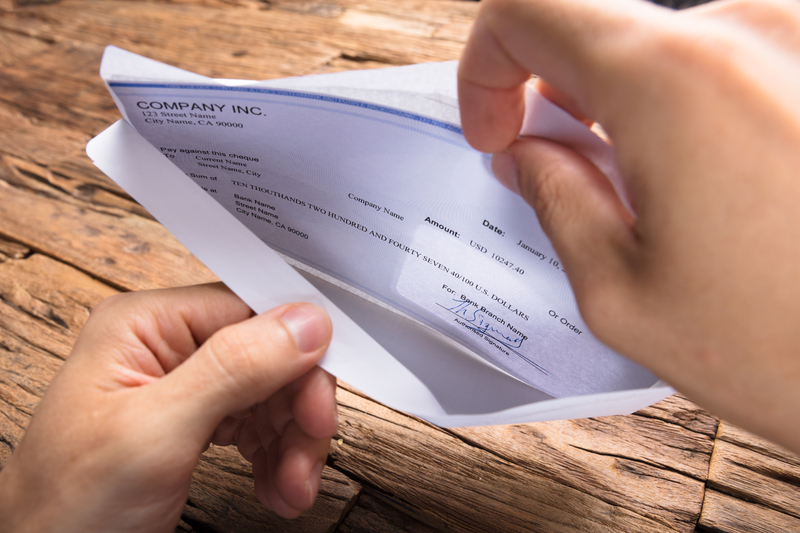
There’s something uniquely intimidating about a business check. You hold it in your hand and immediately wonder: Is this money actually mine, or am I about to commit tax fraud by accident? Unlike a personal paycheck, a business check comes with an aura of paperwork, red tape, and the unshakable feeling that if you get this wrong, someone in a suit is going to come knocking on your door.
If you’re a freelancer, gig worker, or small business owner, you know the drill. You land a job, do the work, and your client proudly cuts a check—made out not to you, but to your “business.” Suddenly you’re standing at the bank counter explaining, for the third time, that yes, you are “Smith Consulting,” and no, you’re not trying to launder money for an international crime syndicate. Meanwhile, the teller gives you that polite-but-skeptical look like you’re auditioning for a role in Catch Me If You Can.
Here’s the good news: it doesn’t have to be this confusing. Business check cashing isn’t some secret financial ritual reserved for big corporations with marble lobbies and CFOs. With the right documents, a clear understanding of the rules, and a provider that won’t drown you in fine print, you can turn that business check into cash without the drama. This blog will cut through the myths, the horror stories, and the half-baked advice, and lay out exactly what you can (and can’t) do when it comes to cashing business checks—so you can get paid without the panic.
What Exactly Is a Business Check?

The Basics
Let’s start with the obvious: a business check is just like any other check—except it’s written out to a business name instead of an individual. That’s it. No magic, no secret handshake. But that one little detail—whose name is on the front—changes everything about how it’s handled.
Why? Because banks and financial institutions treat businesses differently than individuals. If the check says “Smith Consulting LLC” instead of “John Smith,” the bank doesn’t assume you and your business are interchangeable. They see two separate entities. To them, cashing it without the right account or documents can look less like “getting paid” and more like “potential fraud.”
That’s why business check cashing can feel more complicated than personal checks. The name on the line dictates the hoops you have to jump through.
Everyday Examples
To make this real, let’s look at how business checks show up in everyday life:
- Freelancer with an LLC: You did the “responsible” thing, set up a limited liability company, and now clients are cutting checks made out to that shiny new name. Great for your brand image—less great when you’re at the bank explaining why you don’t yet have a business account.
- Side hustle with a catchy name: Maybe you mow lawns on weekends as “Green Thumb Landscaping.” A customer writes the check to that name, not realizing there’s no “Green Thumb” account waiting for it.
- Client confusion: Even well-meaning clients get it wrong. “Should I make this out to you… or your business?” Cue the awkward pause where you’re not totally sure yourself.
Why It Matters
The reason all this matters boils down to ownership and verification. Banks need proof that you’re legally tied to the business named on the check before they’ll release the funds. Without the right setup, that money can sit in limbo—or worse, bounce back.
For individuals hustling as freelancers or small business owners, that’s more than just an inconvenience. It’s rent money, bill money, and grocery money locked behind a technicality. Knowing what a business check is—and why it plays by different rules—is the first step toward handling it properly without losing your cool.
The Problem with Business Check Cashing at Banks

The Rules (and the Runaround)
Banks love rules. They thrive on them. To cash a business check, they usually want you to have a business account, an EIN, and a stack of paperwork proving you’re the rightful owner of the name printed on that line. In theory, it makes sense—they don’t want some random stranger walking in, flashing a smile, and walking out with your company’s money. In practice? It feels like punishment for trying to get paid.
Walk into a bank with a business check and no account, and watch the eyebrows go up. Suddenly, you’re not just a freelancer trying to cash your hard-earned payment—you’re a potential international criminal mastermind. The teller will smile politely while pointing you toward a business banking specialist who’s “happy to help.” Translation: fill out 20 pages of forms, deposit the check, and come back in 3–5 business days.
The Red Tape
The irony is rich. Banks are lightning-fast when it comes to charging you overdraft fees—blink and they’ve already taken $35 out of your account. But when it’s about releasing your own money? Slow as molasses.
This is the red tape dance:
- You deposit the business check.
- They place a hold “for verification.”
- You explain, again, that you’re the sole proprietor, and yes, you are the business.
- They nod sympathetically and ask you to come back next week.
It’s like applying for a passport every time you want to pay your rent.
Real-World Frustrations
Let’s put this into a real scenario. You’re a gig worker who just finished a big project. The client, trying to be professional, writes the check to your LLC. Rent is due Saturday, and you’re standing at the bank on Friday morning. The teller takes your check, taps on their keyboard like they’re launching a rocket, and then announces, “Funds will be available in 3–5 business days.”
Now you’re stuck. Your landlord doesn’t care about “pending” balances. Neither does your electric company. What was supposed to be a straightforward deposit just turned into a waiting game you didn’t sign up for.
And heaven help you if the check is even slightly unusual—out of state, large amount, or a new client. Banks treat it like a UFO sighting, complete with “extra verification” and even longer delays.
The Bottom Line on Banks
Banks aren’t built for speed or flexibility. They’re built for protecting themselves first, even if that means leaving you in limbo. If you’re a freelancer, a small business owner, or a weekend side hustler, relying on a traditional bank for business check cashing is like trying to run a marathon in flip-flops. Technically possible, but you’ll regret it with every step.
Who Can Actually Cash a Business Check?

Sole Proprietors and Freelancers
If you’re a sole proprietor or freelancer, you’re basically the business. The IRS might give you a fancy “DBA” (doing business as) certificate, but at the end of the day, your business money and your personal money are still legally tied to you. That means you’ve got the best shot at walking into a bank or provider and cashing a business check directly.
Here’s what usually works:
- A valid government-issued ID.
- Proof that your DBA belongs to you (like registration papers or a business license).
For example, if you’re John Smith DBA “Smith Consulting,” most places will cash that check as long as you can prove you are Smith Consulting. It’s a little extra paperwork, but it beats waiting around for the bank to decide whether you look trustworthy enough.
LLCs and Corporations
Now, let’s make things a little trickier. If your business is an LLC or corporation, congratulations—you’ve created a legally separate entity. Unfortunately, that also means banks expect you to have a separate business account. The check isn’t technically yours anymore; it belongs to the company.
This is where most people get tripped up. You can’t just sign the back and walk out with cash. Without a business account, banks will send you packing.
It feels ridiculous—especially if you are the owner—but legally, the money has to flow through the business first. Banks aren’t in the mood to bend those rules, and they’ll happily tell you to open a new account (with all the fees that come along with it) before they’ll even think about releasing your funds.
The Middle Ground
Not every situation is black-and-white. Maybe you’re in the process of setting up your business account, but you’ve already got a check in hand. Or maybe your client made it out to your business name when you told them to make it out to you personally. These gray areas happen all the time.
This is where dedicated providers like DNV Cheques can sometimes make life easier. They understand freelancers and small business owners don’t always fit neatly into bank-sized boxes. With the right paperwork, they can help you access your money without the “come back in five days” routine.
The Bottom Line
Who can cash a business check? Sole proprietors usually have it easiest. LLCs and corporations need business accounts. Everyone else? It depends on the paperwork and the provider. The trick is knowing where you stand—and choosing a service that doesn’t make you feel like you’re applying for a mortgage every time you want to get paid.
What Documents Do You Need for Business Check Cashing?
The Essentials
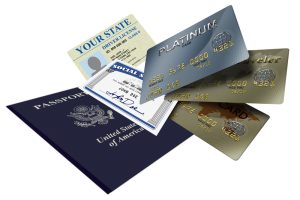
When it comes to business check cashing, the rules aren’t mysterious—they’re just annoying. Every provider, whether it’s a bank or a specialized check cashing store, is going to want proof that you are tied to the business named on that line. That means showing up with more than just a smile and a pen.
The must-haves usually include:
- A valid government-issued ID (driver’s license, state ID, passport, or military ID).
- Proof of ownership of the business name (DBA registration, business license, or articles of organization).
In plain English: if the check is made out to “Smith Consulting,” the bank wants to see something proving you are Smith Consulting, not just some guy named Smith with a convincing signature.
Why Paperwork Matters
Paperwork is the difference between “Here’s your cash” and “Sorry, we can’t process this today.” Banks and providers aren’t trying to ruin your weekend for fun (well, not always). The reason is fraud prevention. Business checks are easier to fake than you’d think, and without documentation, it’s impossible to tell if you’re the rightful owner or someone pulling a fast one.
Think of it like selling a car. You may know the car is yours, but if you don’t have the title, no buyer in their right mind is handing you cash. Same logic here—the title to your business is the paperwork that proves the check belongs to you.
Everyday Scenarios
Here’s how it plays out in real life:
- Freelancer with DBA paperwork: You bring your ID and your DBA certificate to DNV Cheques. They verify it once, put you in their system, and you’re good to go for future visits.
- New LLC owner without a business account yet: You’ve got articles of organization but no bank account. At the bank, you’re out of luck. At a check cashing store, you may have more flexibility as long as you bring the documents.
- Side hustler with a made-up name: If you’ve been doing business under a “brand” without registering it, you’re in trouble. No paperwork means no proof, and no proof means no cash.
The Bottom Line
Having the right documents isn’t optional—it’s the ticket in. Show up without them, and you’ll be sent packing, no matter how legitimate you are. Show up prepared, and the process is straightforward. The extra step might feel like a hassle, but it beats waiting days for the bank to “review” your check while your bills pile up.
Common Misconceptions About Business Checks

Myth #1: “It’s made out to my business, but I can just sign it and cash it.”
This is the number-one misconception, and it’s wrong almost every time. A business check made out to “Smith Consulting LLC” is not the same thing as a personal check made out to John Smith. Banks don’t care that you own the LLC—they care that the check is legally payable to the business. Without a business account or the right paperwork, you’re not walking out with that cash.
Think of it like trying to board a plane with your friend’s ticket. Sure, you’re standing there ready to fly, but unless your name matches, you’re not going anywhere.
Myth #2: “All check cashing places are the same.”
Not even close. Some are transparent, professional, and upfront about fees. Others are little more than payday lenders with a different sign out front. Walking into the wrong place can mean sky-high fees, vague policies, and a customer service experience straight out of a bad sitcom.
- The reality: Reputable providers like DNV Cheques post their fees clearly and treat customers like people, not walking wallets.
- The risk: Shady providers profit off confusion, betting you won’t notice how much they’re shaving off your check.
Myth #3: “Fees are outrageous everywhere.”
This one’s half true. Yes, there are providers that charge outrageous fees—but not all of them. Fees exist for a reason: processing, verification, and the risk providers take on. But here’s the kicker: in many cases, the fee you pay to cash your check is far less than the cost of late fees, overdraft charges, or bounced rent checks.
Example: Paying $15 to cash your business check may sting, but it’s a bargain compared to a $50 late fee slapped on your rent because your bank is “holding” the deposit for a week.
The Bottom Line
The myths around business checks usually come from people who’ve only dealt with personal ones. But the rules change once your business name is on the line. You can’t just sign and cash, not all providers are equal, and fees aren’t automatically a rip-off. Busting these misconceptions now means fewer headaches when you’re actually standing at the counter trying to get paid.
Risks of Doing It Wrong

Legal and Financial Consequences
Cashing a business check isn’t like grabbing cash from an ATM—you can’t just wing it and hope for the best. Do it wrong, and you’re not only facing delays but potentially bigger problems. For starters, if you try to endorse a check made out to your business without the right account or paperwork, it can bounce right back. The bank may reject it outright, or worse, flag it as suspicious.
That’s where the real trouble begins. Improperly handling business checks can raise red flags with both banks and tax authorities. Suddenly, what started as an innocent attempt to pay your bills looks like fraud or tax evasion. No, you’re probably not headed to federal prison for trying to cash a $700 check made out to “Smith Consulting,” but you could end up with frozen funds, account holds, or a paper trail that makes tax season a nightmare. And if the check bounces because of a bad endorsement? Good luck explaining that to your landlord.
Personal Consequences
The ripple effect is brutal. When banks put a hold on your money—or refuse to release it altogether—it doesn’t just stall your weekend plans. It derails your entire budget. Rent shows up whether your funds are “pending” or not. Utilities don’t pause just because the bank thinks your check looks fishy. And explaining to your spouse or roommates that the money’s stuck in banking purgatory? Not fun.
It’s easy to laugh at the paperwork and red tape until you’re staring down late fees, strained relationships, or a landlord who doesn’t care about “processing times.” The personal stress can pile up fast, all because the check wasn’t handled the right way.
The Bottom Line
Getting business check cashing wrong isn’t just inconvenient—it can snowball into financial and personal chaos. Late rent, unpaid bills, and tax headaches aren’t worth the gamble. Do it right the first time, with the right documents and the right provider, and you’ll save yourself the kind of stress no amount of caffeine can fix.
How DNV Cheques Makes Business Check Cashing Easier
Transparent Fees
One of the biggest frustrations with business check cashing is not knowing what it will cost until after the fact. Some providers bury fees in fine print, while others tack on “processing charges” that feel like a surprise gift—minus the joy. DNV Cheques takes the guesswork out of it. Fees are posted clearly, explained upfront, and designed to be competitive. That means you’ll know exactly what you’re paying before you hand over the check. No surprises, no hidden extras.
- Upfront pricing: What you see is what you pay.
- Competitive rates: Lower than many national chains and predatory providers.
Same-Day Funds
Waiting three to five business days for a bank to release your money isn’t just inconvenient—it can throw off your entire financial schedule. DNV Cheques’s model is built around speed. You bring in your business check, they verify it, and you leave with cash in hand the same day. That speed matters whether you’re covering payroll, paying bills, or just keeping your own household on track.
- Immediate access: Use your money when you actually need it.
- Peace of mind: Eliminate the stress of “pending” deposits and bank holds.
Professional Guidance
Cashing a business check isn’t always straightforward, especially if you’re new to freelancing, running a side hustle, or setting up your LLC. The staff at DNV Cheques understands this and works with you to make the process as smooth as possible. If you need help navigating paperwork—like proving ownership of a DBA—they’ll point you in the right direction without the judgment or condescension you might get at a bank counter.
More Than Just Check Cashing
DNV Cheques is more than a place to turn checks into cash. With services like bill pay, money orders, and money transfers, they function as a one-stop financial hub. That convenience means fewer errands and fewer headaches.
The Bottom Line
DNV Cheques simplifies a process that banks often overcomplicate. Transparent fees, same-day funds, and professional support make business check cashing less of a battle and more of a straightforward transaction. For freelancers, sole proprietors, and small business owners, it’s exactly the kind of solution that keeps cash flow moving without the red tape.
Conclusion: Cashing Business Checks Doesn’t Have to Be a Nightmare
Most of the confusion around business checks comes from banks turning a simple transaction into an Olympic event. They pile on requirements, shuffle you between departments, and hold onto your money like it’s a state secret. But here’s the truth: with the right documents in hand—like your ID and proof of ownership—and a provider that actually understands small business realities, the process is far from impossible. In fact, it can be safe, fast, and even straightforward. The key is knowing where to go and who to trust. That’s where DNV Cheques steps in. Their transparent fees, same-day funds, and professional support take the guesswork out of business check cashing and put the focus back where it belongs: getting you access to your money without the drama. Whether you’re a freelancer, gig worker, or running your own LLC, you don’t need to waste time arguing with a bank teller about your DBA paperwork. Choose the provider that makes it simple. Visit your nearest DNV Cheques location today and cash your business checks without the headaches—because your hard-earned money shouldn’t have to sit in “pending” while your bills are already due.