



Why Vendor Checks and Larger Business Checks Get Extra Verification
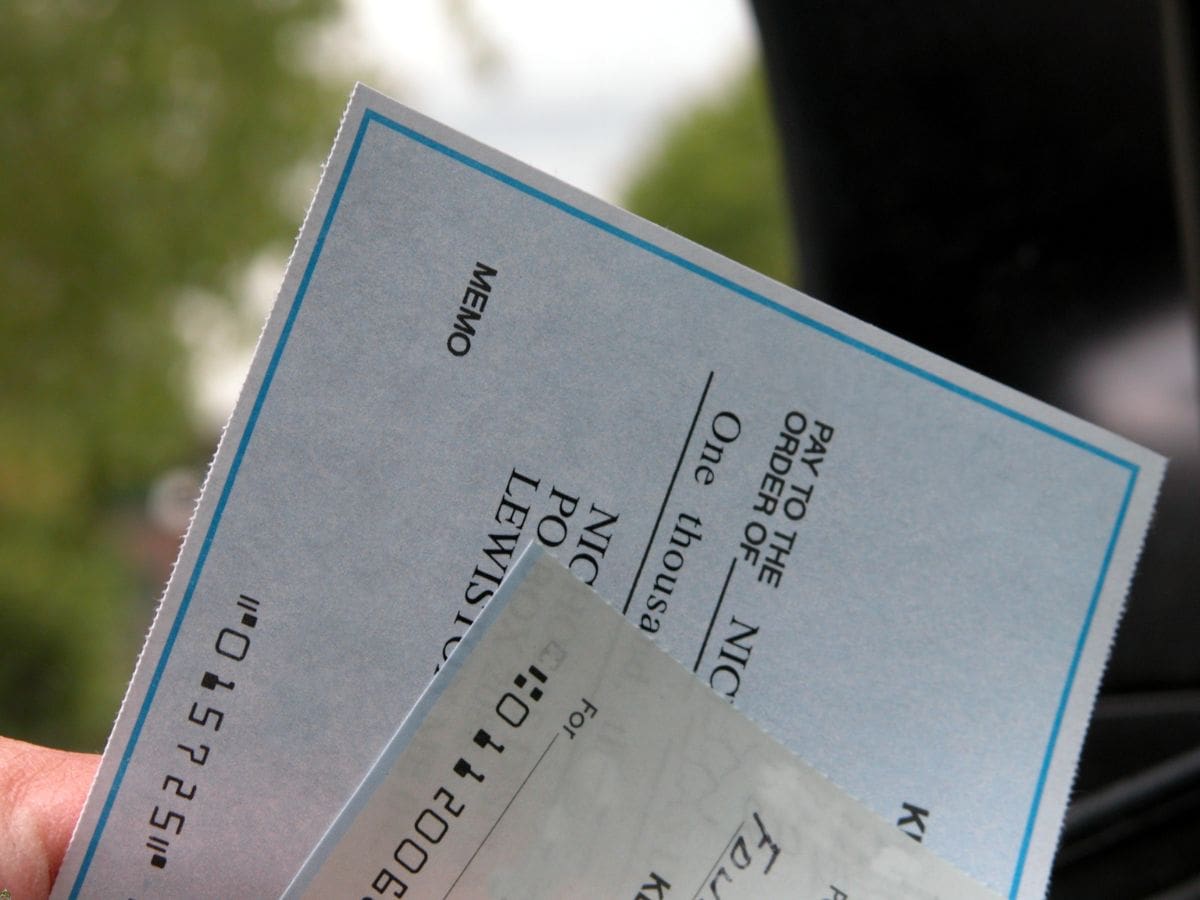
When we process business checks, some are straightforward and some trigger extra verification steps. That does not automatically mean something is wrong. It usually means the check has a few traits that are commonly tied to fraud, mistakes, or payment disputes, so we take a closer look before moving forward.
Business checks often involve vendor relationships, higher dollar amounts, and payee names that do not match a single person’s ID, which creates more ways for something to go sideways. Experian notes that cashing a business check can depend on how the check is written and what proof is needed to show the right person is authorized to handle it.
Extra verification is most likely when you are a first-time payee, the issuer is out of area, or the amount is larger than usual. This guide breaks down what typically triggers verification, what slows approvals, and what we can do to help you show up prepared so the process stays smooth.
Why Business Checks Get Verified More Often
First-Time Payee and Vendor Scenarios
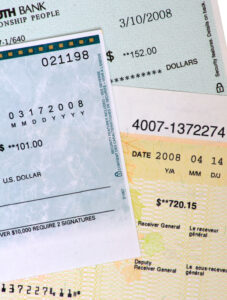
When a business check involves a new vendor relationship, we may need extra confirmation because there is no history to compare. Trustpair explains that vendor verification helps reduce payment fraud by validating vendor details and documentation, and that same logic influences why business checks get reviewed more closely.
Even legitimate checks can take longer when the payee name, issuer, or check format is unfamiliar. Our goal is to reduce uncertainty before funds change hands.
Common Triggers We See
- The payee is new to us, or the issuer is new to our location.
- The business name on the check does not clearly match the paperwork you have on hand.
- The issuer is outside the usual payment footprint for that vendor relationship.
Quick Reference Chart
| Trigger | Why It Gets Attention | Best Way To Prepare |
| First-Time Payee | No baseline to compare | Bring proof of business identity and authority |
| Out-of-Area Issuer | Patterns are harder to validate | Have issuer contact info ready |
| Larger Amount | Higher dispute and loss risk | Ensure details are clean and consistent |
When everything lines up, verification moves quickly. If we can confirm who the payee is, why they are entitled to the funds, and who is authorized to handle the check, the process is usually smooth and predictable.
Red Flags on Vendor Checks That Slow Approval
Visual and Data Mismatches
Some delays happen because the check looks inconsistent, even if it was just a rushed handwriting moment. ICBA explains that an altered check involves an unauthorized change to a check’s terms, like the payee name or amount, which is why anything that resembles a change tends to get extra scrutiny.
Issues That Often Trigger a Second Look
- The payee name appears overwritten, cramped, or squeezed in like it was added later.
- The written amount and the numeric amount do not align cleanly.
- Key fields show mixed ink, inconsistent handwriting, or heavy corrections.
Patterns That Raise Concern on Higher Amount Checks
Larger checks get more attention because the loss is bigger if something is wrong, and fraud patterns often target higher values. Norton’s LifeLock notes that check washing can involve erasing ink and changing the payee and amount, which is one reason faded areas, smudges, or “too clean” sections can slow approval.
If a check looks messy or inconsistent, we may need extra time to confirm what is original and what is not. Clean, consistent details and a check that reads clearly help us verify faster and keep the transaction moving.
How We Can Prepare to Reduce Verification Delays
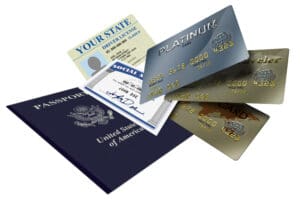
Bring Proof That Connects the Check to the Business
A vendor check moves faster when the paperwork tells a clear story that matches the payee name on the check. Experian explains that business checks can require proof that the person cashing it is authorized, which is why supporting documents matter when the payee is a company name.
Helpful Items To Have Ready
- Bring a government-issued photo ID for the person presenting the check.
- Bring business documentation that supports the payee name, including DBA paperwork if relevant.
- Bring an invoice, contract, or remittance advice that matches the issuer and the amount.
Make Authorization Obvious
When a check is payable to a business, we want to see a simple connection between the business and the person standing at the counter. If anything on the check looks wrong, do not try to correct it with handwritten changes.
- Request a reissued check instead of marking it up.
- Keep issuer contact details available in case a quick confirmation is needed.
When the documents and check details line up, we spend less time verifying and more time getting you paid. That is the goal every time you come in.
Get Paid Faster With Fewer Surprises
Extra verification usually comes down to predictability. First-time payees, out-of-area issuers, and larger amounts are more likely to be reviewed because the downside of a bad check is bigger and the patterns are harder to confirm quickly. Even when everything is legitimate, a check that looks unfamiliar, inconsistent, or hard to validate can trigger extra steps, and those steps take time.
Before you come in, do a quick self-check. Does the payee name match your business paperwork? Does the check look clean and unchanged? Can you clearly show you are authorized to handle it on behalf of the business? If anything looks off, the fastest path is often asking the issuer for a corrected or reissued check rather than trying to patch it up yourself.
- Keep supporting paperwork ready for first-time vendor checks, especially invoices or remittance details that match the issuer and amount.
- Bring the right ID and be prepared to confirm your role with the business when the check is payable to a company name.
- If the check looks suspicious, heavily corrected, or inconsistent, pause and replace it instead of risking a delay.
When you show up prepared, we can focus on validating the essentials and moving your transaction along. At DNV Cheques, our goal is to help you cash business checks with fewer surprises, and that starts with clean check details and documentation that tells a consistent story. If you are unsure what to bring for your specific check, reaching out first can save you a trip and keep the process simple.