



How to Cash a Business Check Without a Bank Account and Keep Cash Flow Moving

Checks Are Common, Cash Flow Is Not Optional
For many small business owners, getting paid by check is still part of everyday operations. Contractors, cleaners, landscapers, mobile service pros, beauty professionals, and food vendors often finish a job and walk away with a paper check in hand. That check represents completed work, but it does not cover expenses until it turns into usable funds.
Cash flow pressure shows up fast. Materials need to be purchased for the next project. Fuel has to go in the truck. Payroll cannot wait just because a bank hold does. When you rely on check payments, timing becomes everything, and waiting days for funds to clear can slow down your entire operation.
If you need to cash a business check without a bank account, the goal is simple: convert payment into working capital quickly and safely. Understanding your options and the process can help you avoid delays and keep your business moving without unnecessary stress.
Where You Can Cash a Business Check

When you are paid by business check, the main challenge is finding a place that actually accepts them. Some locations cash personal checks but treat business checks differently because verification can be stricter. The best move is choosing an option that matches your check amount and your timeline.
If you need to cash a business check without a bank account, start by narrowing your choices to places that regularly handle business checks. That saves you from surprise declines and wasted trips.
Check Cashing Providers
Check cashing providers are often the most consistent option because they are built for transactions like payroll, government, and business checks. They usually have clearer requirements and a more predictable process for verification.
- Many providers can handle higher check amounts than typical retail locations.
- It is common for them to verify the issuer or place a short review on larger checks.
Retail Options and Limits
Some retail locations offer check cashing, but business checks may not always be accepted and limits can be lower. Policies can also change by store and by region, so what works in one location may not work in another.
Quick Call Ahead Checklist
- Do you cash business checks, not just payroll or personal checks?
- What is the maximum amount you will cash and what are the fees?
- What do you require if the check is payable to a business name?
A two minute call can prevent a wasted drive and help you choose the fastest option for your situation. It also gives you a clear idea of limits and requirements before you are standing at the counter.
What the Business Check Cashing Process Looks Like

The business check cashing process is usually straightforward, but it is more structured than cashing a personal check. The goal is to confirm the check is valid, confirm you are the right person to cash it, and then complete the payout with clear fees and documentation.
If you are trying to cash a business check without a bank account, knowing the steps ahead of time helps you move faster and avoid surprises at the counter.
Step by Step at the Counter
Most locations follow a similar flow, even if the exact requirements vary.
- Present the original business check for review.
- Show a valid government-issued photo ID that matches the payee information.
- Show appropriate business documents to confirm authority to cash the check.
- The provider verifies the check details and the issuing account when needed.
- You review the fee and the net amount you will receive before approval.
- Once approved, you receive your payout and a receipt for your records.
What Can Trigger Extra Verification
Extra verification is not automatically a problem, it is just part of risk control. It tends to happen more often with higher dollar amounts, checks payable to a business name instead of an individual, or checks from a new or unfamiliar issuer.
A Quick Example
If the check is payable to “Green Valley Landscaping LLC” but your ID is in your personal name only, the provider may ask for documentation that connects you to that business. That is why it helps to bring any basic business proof if you cash business checks regularly. It keeps the process moving and reduces the chance of a delay.
What to Bring So You Do Not Get Delayed
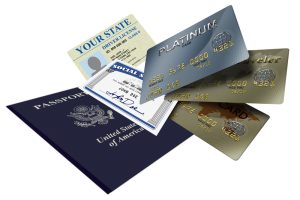
The fastest way to get stuck is showing up with the check but not the proof that you are the right person to cash it. Business checks can involve extra verification, especially when the payee line includes a company name instead of a person’s name. If you want a smooth payout, arrive prepared and keep your documents consistent.
If you are trying to cash a business check without a bank account, think like a verifier. The goal is to quickly connect three things: the check, your identity, and your authority to cash it.
The Core Items to Bring
Most providers will expect a basic set of documents before they can approve a business check.
- A valid government-issued photo ID that is not expired or damaged.
- The original check in good condition, with no tears, heavy markings, or alterations.
If the Check Is Payable to a Business Name
When the payee is a company, you may need something that links you to that business. It does not have to be complicated, but it should clearly show you are authorized.
- A business document that matches the business name on the check, like a license, registration, or DBA paperwork.
- Any proof you operate the business, such as an invoice, work order, or a document that shows your name as authorized to cash the check made out to the business name.
Endorsement Basics for Business Checks
Endorse the check exactly as instructed at the counter, and avoid adding extra notes or signatures beforehand. If the check is payable to a business, you may be asked to sign as an authorized representative rather than as an individual.
Bring the basics, keep names consistent, and wait to endorse until you are in front of the cashier. That combination reduces delays and helps you get to payout with fewer questions.
Why Business Checks Get Held or Declined
A hold does not always mean a check is bad. It usually means the provider needs a little more certainty before paying out, especially when the check is from a business account or written for a higher amount. If you are trying to cash a business check without a bank account, it helps to know the most common triggers so you can avoid them.
Most problems fall into two categories: identity and verification. Either the check does not clearly match you, or the issuing account cannot be confirmed quickly.
The Most Common Hold and Decline Triggers
These are the issues that tend to stop a business check from being cashed on the spot.
- The payee name on the check does not match your ID or your business documentation.
- The endorsement is missing, signed incorrectly, or looks inconsistent with the payee line.
- The check is torn, smudged, stained, heavily creased, or appears altered.
- The amount exceeds the location’s payout limit or requires additional review.
- The presenter is not an authorized person to cash the check on behalf of the business.
When the Issuer Cannot Be Verified Right Away
Sometimes the delay has nothing to do with you. The provider may need to confirm the issuing bank, confirm the account status, or verify the check number and amount. This can happen more often with new issuers, out-of-state checks, or checks written from smaller business accounts.
Quick Example
If the check is made payable to “Elite Outdoor Services” but you only have personal ID and no proof connecting you to that business name, the provider may pause the transaction until authorization is clear. Bring basic business documentation and keep the check in clean condition to reduce the chance of a hold. That small prep step can turn a decline into a quick approval.
Simple Cash Flow Tips and Next Step
If your business relies on check payments, consistency is everything. Tracking when clients typically pay, verifying check details before leaving a job, and setting a regular day to convert checks into usable funds can reduce last minute stress. Building even a small operating cushion for fuel, materials, or short-term payroll needs can also protect you from gaps between jobs and payouts.
Strong cash flow habits give you control instead of forcing you to react to every delay. When you are ready to turn payment into working capital quickly, DNV Cheques offers business check cashing services designed to help small business owners stay on schedule. Visit our Business Check Cashing page to see what to bring and get the funds you need to keep your operations moving.