




Your Tax Refund Has Two Jobs: Pay the Bills and Send Support Where It Matters Most
Refund Day Reality: Bills First, Then Family
The refund finally hits. After weeks of waiting, that tax return shows up and for a moment, it feels like breathing room. You start doing the math in your head before you even put the envelope down or check the balance on your phone.
First come the essentials. Rent that is a little behind. Utilities that need to stay on. A credit card balance that has been hanging over you since the holidays. Tax refunds often act like a reset button, helping you catch up and steady things out.
But for many people, that money has a second purpose. Once the urgent bills are handled, the next thought is family. Maybe it is helping parents back home, covering a sibling’s tuition, or sending support overseas. If you do not use traditional banking, arranging a money transfer without a bank account becomes the next step. The goal is simple: take care of home, then take care of the people who count on you.
When It Makes Sense to Send Money Right After Your Refund

A refund can feel like a rare moment where you can finally get ahead instead of just keeping up. Once the urgent bills are handled, sending support right away can make sense when someone is counting on you and the timing is sensitive. That could mean helping with a medical expense, keeping a student enrolled, or covering essentials for parents or relatives.
It also helps to remember that refunds do not always arrive the same way for everyone. According to IRS.gov, refund status may show that the IRS sent your refund to your bank or sent it in the mail, and mailed checks can take several weeks to arrive.
Situations Where an Immediate Transfer Helps
If you plan it, sending support can be one of the most practical things you do with your refund.
- A parent needs money for rent, utilities, or groceries this week.
- Tuition or school fees are due before the next paycheck hits.
- A medical bill or prescription cost cannot wait until next month.
A Simple Planning Rule So You Do Not Regret It Later
Before you send anything, decide what “caught up” means for you. That might be rent paid, utilities current, and enough set aside for transportation and food. If those basics are not covered, sending money too fast can backfire and create another scramble.
Once your essentials are handled, a planned transfer can turn your refund into real stability for you and real relief for your family.
How Money Transfers Work Without a Bank Account

Here’s the plain-English version: you walk in with cash, we verify who you are, we send the funds through a regulated transfer network, and your recipient picks it up or receives it based on the delivery option you choose. A money transfer without a bank account works because the transaction is tied to verified sender and receiver details, not a checking or savings account.
Most transfers come down to two steps: sending and receiving. The more accurate the information you provide at the start, the smoother the pickup is on the other end.
What the Sender Does at the Counter
You bring cash and a valid photo ID, then provide the recipient’s details and destination. Once the transfer is submitted, you get a receipt or reference number that tracks the transaction.
- Bring government-issued photo ID and the exact amount you want to send.
- Double-check the recipient’s legal name spelling before you submit anything.
What the Recipient Needs to Pick Up Funds
In most cases, your recipient will need proper identification and the transfer reference number. Some locations may also confirm the sender name or the expected amount.
Domestic vs International Basics
- Domestic transfers are usually simpler because the destination rules are consistent across the same country.
- International transfers can require extra details like country, city, and sometimes additional compliance steps depending on the corridor.
According to USA.gov, scammers use many methods to steal money and personal information, so it’s smart to verify details and use trusted channels when you send funds. That is why we always recommend keeping your receipt and never sharing your reference number with anyone who is not the intended recipient.
What You Need Before You Send
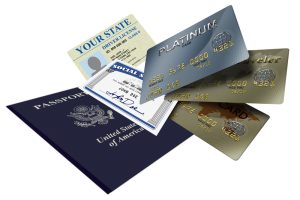
Sending money goes a lot smoother when you show up with the right details already in hand. Most delays are not caused by the transfer itself. They happen because the recipient information is incomplete, the destination details are missing, or the sender cannot confirm something at the counter.
A good rule is to treat this like booking a flight. If one letter is off, the whole thing can get stuck until it is corrected.
Your Must-Have Checklist
Bring what you need to prove who you are, and bring what we need to route the funds correctly.
- A valid government-issued photo ID.
- The recipient’s full legal name exactly as it appears on their ID.
- Destination country and city for international transfers.
- A working phone number for the recipient if the provider requires it for pickup notifications.
Why the Tracking or Reference Number Matters
Your receipt and reference number are your proof that the transfer exists and where it is in the process. Keep it private and only share it with the intended recipient.
According to the Consumer Financial Protection Bureau, before you pay for a remittance transfer you should be shown the exchange rate, the fees and taxes, and the amount the recipient will receive. This is exactly why we recommend asking for the full cost breakdown upfront, then saving the receipt until the funds are successfully picked up.
Mistakes and Scams That Delay Transfers

Most transfer delays are simple: a detail is wrong, the recipient cannot verify something at pickup, or the transaction gets paused for review. The frustrating part is that these issues are usually avoidable if you slow down for two minutes and confirm everything before you hand over cash.
The bigger risk is sending money to the wrong person or to a scammer. Once money is picked up, it can be extremely hard to recover, so accuracy and caution matter just as much as speed.
Small Mistakes That Create Big Delays
These are the common slip-ups that cause holdups at the worst possible time.
- Misspelled recipient names, even by one letter, can block pickup.
- Wrong destination details like city or country can send the transfer into a correction process.
- Incomplete recipient info can trigger a request for verification before funds are released.
Quick Example
If the recipient’s ID says “Maria Elena Cruz” but you enter “Maria Cruz,” a pickup location may require a correction before they release funds.
The Scam Situation and How to Avoid It
According to FTC.gov, wiring money is like sending cash, and once you send it, you usually cannot get it back, which is why scammers push people to transfer money fast.
- Never send money to someone you have not met in person, no matter how urgent the story sounds.
- If someone tells you to lie about the reason for the transfer, stop right there and walk away.
Take a breath before you send. Verify the person, verify the details, and keep your receipt and reference number private so your transfer goes to the right place the first time.
Turn Your Refund Into Relief for You and the People Who Count on You
Your refund is more than a deposit or a check in the mail. It is a chance to reset, catch up, and take care of the people who rely on you. When you plan it out, confirm the details, and move with purpose, you can turn that refund into real support without unnecessary stress or delays.
If you are ready to send funds safely and confidently, we are here to help. DNV Cheques offers secure and convenient money transfer services to help you get it done the right way. Visit our Money Transfer page to see what you need and start your transfer today.