
No Bank? No Problem. Here’s How to Transfer Money Without a Traditional Account
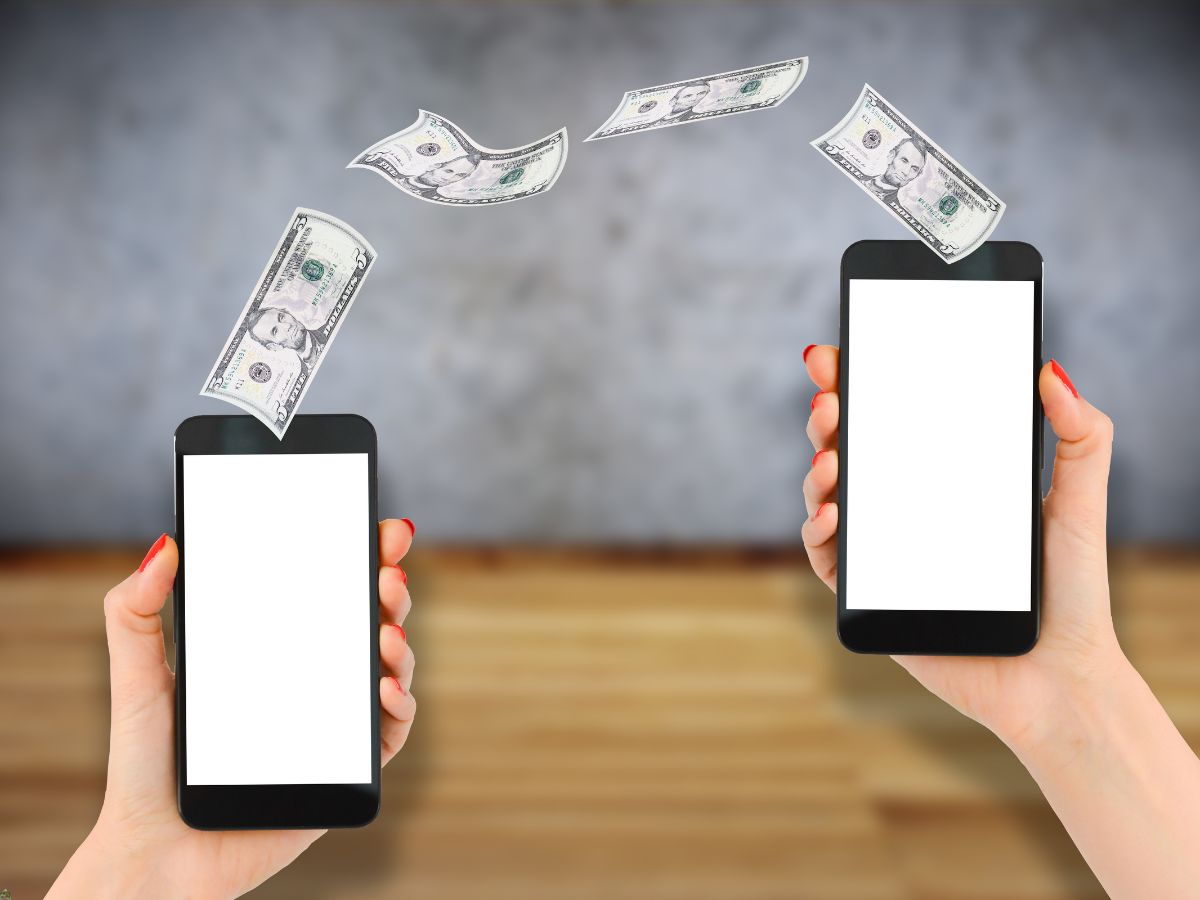
For millions of Americans, life without a traditional bank account isn’t unusual — it’s reality. Whether it’s the single parent juggling multiple side jobs, the construction worker paid in cash, or the freelancer tired of overdraft fees, many people today are finding better ways to manage money outside the traditional banking system. According to the FDIC, nearly 6 million U.S. households are unbanked, meaning they don’t have a checking or savings account. Millions more are underbanked, relying on services outside the banking system to handle everyday financial needs. For these individuals, learning how to transfer money without a bank isn’t just convenient — it’s essential.
In today’s economy, flexibility is everything. Gig workers and small business owners often operate outside the standard payroll structure. Others simply prefer to avoid high fees, credit checks, or rigid account rules. Add in the rise of digital tools, mobile apps, and trusted local providers, and it’s easier than ever to send money across town or across the country without a traditional bank account. What was once considered an obstacle is now an opportunity to take financial control on your own terms.
The good news? Having no bank doesn’t mean being cut off from financial options. From in-person money transfer services and prepaid debit cards to money orders and mobile payment apps, there are safe, affordable ways to move your money when and where you need it. In this guide, we’ll walk through the most reliable methods for domestic money transfers without relying on a traditional checking account — including how DNV Cheques helps customers send funds quickly and securely with friendly, face-to-face service you can trust.
Why Millions Still Live Without a Bank Account
In a world where nearly every transaction happens online, it’s easy to assume that everyone has a bank account — but that’s far from true. According to the FDIC’s 2023 National Survey of Unbanked and Underbanked Households, about 4.5% of U.S. households — more than 5 million people — are unbanked, meaning they don’t have a checking or savings account at all. Another 14% are underbanked, which means that even though they have an account, they still depend on non-bank services like check cashing, payday loans, or domestic money transfers to handle everyday financial tasks.
What It Means to Be Unbanked vs. Underbanked
Being unbanked means you don’t have access to any traditional bank account — no debit card, no direct deposits, no online banking. Most unbanked individuals operate on a cash basis or rely on services that let them manage money without a bank. On the other hand, underbanked individuals have an account but still turn to alternative services for faster access to funds or lower fees.
These groups include people from all walks of life — from young professionals who prefer the flexibility of mobile apps to older adults who’ve never trusted large financial institutions. Many gig workers, contractors, and hourly employees fall into this category simply because they’re paid irregularly or can’t meet a bank’s minimum balance requirements.
Why People Choose to Transfer Money Without a Bank
For millions of Americans, living without a bank account isn’t about avoiding responsibility — it’s about finding systems that actually work for them. Some of the most common reasons include:
- High or unpredictable fees: Overdraft charges and monthly maintenance costs can quickly add up.
- Lack of trust: Many have experienced hidden fees, long hold times, or frozen accounts that make banks feel risky.
- Irregular income: Freelancers, gig workers, and service industry employees often get paid inconsistently, making it hard to meet deposit schedules.
- Privacy and control: Managing money in cash or through prepaid methods provides more flexibility and independence.
When traditional banking doesn’t fit a person’s lifestyle or income pattern, alternative solutions become essential — not optional.
The Cash Economy Still Thrives
Despite the rise of digital banking and mobile wallets, cash remains a core part of America’s financial system. The Federal Reserve’s 2024 Diary of Consumer Payment Choice reports that cash still accounts for nearly one in five transactions nationwide — especially among households with lower or variable incomes. For many, the ability to transfer money without a bank isn’t about being behind the times; it’s about staying practical and in control.
How In-Person Services Like DNV Cheques Bridge the Gap
That’s where businesses like DNV Cheques make all the difference. By offering essential services like:
- Instant check cashing for fast access to wages and payments
- Money orders and domestic money transfers
- Bill pay and prepaid card reloads
DNV Cheques gives unbanked and underbanked customers safe, reliable ways to move their money. Whether it’s sending funds to family, paying rent, or covering a short-term need, these in-person options keep financial independence within reach — no traditional bank account required.
How to Transfer Money Without a Bank

For millions of people across the country, learning how to transfer money without a bank isn’t just helpful — it’s a necessity. Whether you’re sending rent to your landlord, helping family in another city, or covering an urgent expense, you don’t need a checking account to move your money safely. In-person money transfer services make it simple and secure to send cash without relying on traditional banks.
Providers like DNV Cheques and Western Union specialize in handling domestic money transfers for anyone — whether you have a bank account or not. These walk-in services allow customers to send funds quickly, often in minutes, with just a valid ID and the recipient’s details. They’re ideal for cash-based lifestyles, gig workers, or anyone who prefers personal service over digital-only platforms.
How In-Person Transfers Work
When you’re ready to transfer money without a bank, the process is straightforward and stress-free. Here’s how most in-person domestic money transfers work at a trusted provider like DNV Cheques:
- Bring valid identification and recipient details. A government-issued ID (like a driver’s license or passport) and the full name of your recipient are typically required.
- Choose how the recipient will receive the funds. Options include cash pickup, deposit to a prepaid card, or even a direct account deposit.
- Pay the transfer fee and total amount. Fees are clearly stated up front and are often cheaper than wire transfers through banks.
Once your transaction is complete, you’ll receive a printed receipt or tracking code. The recipient can usually access the funds within minutes — perfect for urgent or time-sensitive needs.
Why It’s Safe and Convenient
One of the biggest misconceptions about transferring money without a bank is that it’s less secure. In reality, licensed providers like DNV Cheques are tightly regulated under state and federal laws. These businesses must comply with strict consumer protection standards, including anti-fraud and data security measures, ensuring that your money arrives safely every time.
In addition to security, in-person services offer a level of transparency and trust that online-only platforms often lack. Customers appreciate being able to speak directly with a representative who can answer questions, explain fees, and confirm delivery times. That human interaction adds confidence — especially for those who value face-to-face service.
Some of the top benefits include:
- Immediate or same-day transfers — no waiting days for bank processing.
- Upfront, transparent pricing with no hidden fees.
- Cash-based flexibility, ideal for people who don’t use credit or debit cards.
These advantages make in-person money transfer services one of the most practical ways to move funds quickly, safely, and affordably.
Perfect for Immediate Needs
When you need to transfer money without a bank, speed and reliability matter most. In-person services shine when timing is critical — whether it’s:
- Paying rent or utilities that are due today.
- Sending cash to family members who don’t have a bank account.
- Covering a medical bill, car repair, or other emergency.
- Paying a contractor or employee on the spot.
Unlike bank transfers, which can take several days, in-person domestic money transfers through providers like DNV Cheques are often processed instantly. That speed and accessibility can make a real difference when time is tight or digital options aren’t available.
Your Next Step
If you’re looking for a fast, secure, and affordable way to send funds, now you know how to transfer money without a bank — and where to start. Visit your nearest DNV Cheques location to complete your transfer in minutes. You’ll get clear pricing, friendly service, and peace of mind knowing your money is in good hands.
Reloadable Prepaid Cards: A Bank Alternative That Works Anywhere
If you’re wondering how to transfer money without a bank, one of the most convenient and widely available options is a reloadable prepaid debit card. These cards function much like a traditional debit card — you can receive deposits, shop online, pay bills, or send funds — but without the need for a checking account. For millions of Americans who prefer cash-based living or want more control over their spending, prepaid cards serve as a powerful financial tool.
A reloadable prepaid card essentially acts as a digital wallet. You load money onto it and spend only what’s available. This makes it perfect for budgeting and helps avoid overdraft fees or debt. Many employers even allow direct deposit to prepaid cards, making them a seamless replacement for a bank account.
How Reloadable Prepaid Cards Work
Prepaid cards are available at check cashing stores, retail outlets, and online providers. You can activate one in minutes — no credit check or bank account required. Once activated, there are several simple ways to add money:
- Cash reloads: Bring cash to a participating retailer or check cashing store (like DNV Cheques) and load it directly onto your card.
- Direct deposit: Employers or benefits providers can deposit funds automatically to your card.
- Money transfer reloads: Add funds using a domestic money transfer or receive funds from another cardholder.
Once loaded, your card can be used anywhere Visa or Mastercard is accepted, both online and in stores. You can also withdraw cash at ATMs or use it to make recurring payments like rent or utilities.
Pros and Cons of Prepaid Debit Cards
Like any financial tool, prepaid cards have benefits and limitations.
Pros:
- Universal acceptance: Use it anywhere major debit or credit cards are accepted.
- Budget-friendly: Spend only what you load — no overdraft or late fees.
- Security: Safer than carrying cash and protected if lost or stolen.
Cons:
- Reload fees: Some cards charge small fees for adding cash or reloading through certain outlets.
- Maintenance fees: Monthly or inactivity fees may apply.
- No credit building: Prepaid cards don’t help establish or improve your credit score.
Still, for those who want to transfer money without a bank or manage funds independently, prepaid cards offer exceptional flexibility and control.
How to Transfer Money Using a Prepaid Card
One of the biggest advantages of prepaid cards is that they can easily connect to digital and in-person money transfer systems. You can:
- Transfer between prepaid cards within the same network (e.g., Green Dot, Netspend, or similar).
- Withdraw cash at an ATM or in-store and hand it to the recipient.
- Use peer-to-peer apps like PayPal, Venmo, or Cash App if they’re linked to your prepaid balance.
For example, you can reload your prepaid card at DNV Cheques, use it to make payments, or send money directly to another cardholder — all without ever touching a traditional bank account.
Reloadable prepaid cards put financial freedom back in your hands. They’re an easy, secure, and bank-free way to stay connected to your money — whether you’re shopping online, paying bills, or sending cash to family.
Money Orders: The Classic, Reliable Way to Send Cash Safely
When it comes to how to transfer money without a bank, few methods are as tried-and-true as the money order. Trusted for generations, money orders remain one of the most secure and accessible ways to send funds — especially for people who prefer cash-based transactions or don’t have a checking account. They function like prepaid checks: you purchase one for a specific amount, fill it out with the recipient’s information, and it can then be deposited or cashed by the recipient almost anywhere.
Money orders are particularly popular among the unbanked and underbanked because they don’t require a bank account, credit score, or online access. They’re widely accepted for everything from rent payments and bill pay to personal transfers between friends or family. With a money order, you can move money securely without risking loss or theft — and without sharing sensitive banking details.
Where to Get a Money Order
One of the best things about money orders is their accessibility. You can purchase them at a variety of locations, including:
- DNV Cheques stores across the region
- United States Postal Service (USPS) locations
- Grocery stores and convenience stores
- Retailers and pharmacies that partner with Western Union
At DNV Cheques, the process is fast and straightforward — a simple walk-in service that provides peace of mind.
How to Purchase and Send a Money Order
Buying a money order is simple, and the entire transaction takes just a few minutes. Here’s how it works:
- Purchase with cash. Tell the clerk the amount you’d like to send and pay with cash or another approved form of payment.
- Fill out recipient information. Write the name of the person or business receiving the money order. This prevents anyone else from cashing it.
- Keep your receipt for tracking. Every money order comes with a unique tracking number so you can confirm it’s been delivered or cashed.
Once issued, your recipient can deposit or cash the money order at most banks, check cashing stores, or financial retailers.
Benefits of Using Money Orders
Money orders offer several distinct advantages, particularly for people looking to transfer money without a bank:
- Security: Unlike cash, a lost or stolen money order can be tracked and replaced.
- Wide acceptance: They’re accepted by landlords, utility companies, and many government agencies.
- Privacy: Money orders don’t expose your personal banking details.
- Affordability: Fees are generally low and predictable compared to wire transfers.
Whether you’re paying rent, sending money to a relative, or mailing a payment to a business, a money order provides a safe and traceable alternative to cash.
How DNV Cheques Simplifies Money Orders
For a faster, friendlier experience, DNV Cheques makes buying and managing money orders simple. Customers can purchase a money order on the spot — no long forms, no waiting. The staff helps ensure the information is filled out correctly, so you avoid delays or rejections. Each transaction includes a receipt and tracking number, allowing you to monitor your payment’s delivery and confirmation for peace of mind.
At DNV Cheques, customers appreciate:
- Quick service — get a money order in minutes.
- Accurate, secure transactions handled by trained staff.
- Flexible options for purchasing, tracking, and reissuing if needed.
Money Order vs. Cashier’s Check vs. Bank Wire
| Feature | Money Order | Cashier’s Check | Bank Wire Transfer |
| Requires Bank Account | No | Yes | Yes |
| Typical Cost | Low ($1–$5) | Moderate ($10–$15) | High ($25–$35) |
| Processing Time | Immediate | Same day or 1–2 days | Same day |
| Traceability | Yes, via receipt | Yes | Yes |
| Ideal For | Rent, bills, personal transfers | Large payments | Large or international transfers |
If you’re looking for a safe, affordable way to transfer money without a bank, a money order from DNV Cheques remains one of the best options available. It’s fast, secure, and universally accepted — making it a dependable choice for anyone who values both convenience and peace of mind.
Digital Transfers for the Unbanked: Mobile Apps That Work Without a Bank

If you’re looking for how to transfer money without a bank using your phone, mobile apps have made it easier than ever. Today, many popular payment apps allow users to send and receive money without linking a traditional checking account. Instead, they work with prepaid cards, debit cards, or cash reload options — making them perfect for the unbanked and underbanked community.
Apps like Cash App, PayPal, Venmo, and even the Western Union app offer simple, secure ways to move money digitally. You can add funds using cash at participating retailers or transfer money directly from a prepaid debit card. Once your balance is loaded, you can send money instantly to friends, family, or businesses — often with no fees for standard transfers.
- Cash App: Load cash at stores like Walmart or CVS, then send money instantly to other users. You can even get a Cash Card, which functions like a prepaid debit card.
- PayPal: Works with prepaid debit cards, allowing you to send, receive, and spend money online or in person without a bank.
- Venmo: Owned by PayPal, Venmo supports prepaid funding sources and makes it easy to split bills or pay friends.
- Western Union app: Lets you initiate a transfer online, then pay in cash at a DNV Cheques location or other participating agent.
These options combine the convenience of modern technology with the accessibility of cash-based living — giving users the power to move money safely and efficiently.
How to Stay Safe Online
When you transfer money without a bank using mobile apps, it’s important to stay alert and protect your funds. Always use reputable, well-reviewed apps that provide secure encryption and fraud protection. Never share your login information or send funds to someone you don’t know.
A few quick safety reminders:
- Verify the app’s authenticity by downloading it directly from the App Store or Google Play.
- Enable two-factor authentication to protect your account.
- Double-check usernames or phone numbers before sending.
💡 Pro Tip: Always confirm the recipient’s username or phone number before hitting “Send.” One small typo could send your money to the wrong person.
The Hybrid Approach
The best solution for many people is to combine both digital and in-person methods. For example, you can reload cash onto a prepaid card or mobile app at DNV Cheques, then send it digitally using your favorite app. This approach merges the personal reliability of face-to-face service with the speed of mobile transfers.
Whether you prefer in-store cash reloads or mobile convenience, these tools work together to make financial freedom possible — no bank required.
Find the Right Fit for Your Lifestyle and Needs
With so many ways to transfer money without a bank, the best option depends on your lifestyle, urgency, and comfort level. Each method offers unique benefits — from the security of a money order to the speed of a mobile app.
| Method | Speed | Cost | Ideal For |
| Check Cashing / Money Transfer Store | Instant | Moderate | Cash users, urgent transfers |
| Prepaid Card | Instant | Varies | Everyday use, budgeting |
| Money Order | 1–3 days | Low | Rent, bills, mail |
| Mobile App | Instant | Low/None | Tech-savvy users |
Each of these tools helps solve the same problem: getting your money where it needs to go — without relying on a traditional bank account.
Mix and Match for Flexibility
The smartest approach often involves using more than one method. For example, you could reload a prepaid card at DNV Cheques and then send those funds through a mobile app for instant delivery. Or you might use a money order for rent while handling day-to-day purchases with a prepaid card.
By combining different solutions, you get the best of both worlds — convenience, speed, and control.
Ultimately, being able to transfer money without a bank isn’t about limitations. It’s about independence. With so many trusted tools available — from DNV Cheques’s domestic money transfers to mobile payment apps — you can manage your finances your way, confidently and securely.
Financial Freedom Without a Bank Account
In today’s world, financial independence isn’t defined by having a checking account — it’s defined by choice. Whether you use in-person transfer services, reloadable prepaid cards, money orders, or mobile apps, there are countless secure ways to transfer money without a bank. Each option offers unique advantages for different lifestyles, giving you full control over how and when your money moves. With trusted providers like DNV Cheques, you can access fast, affordable domestic money transfers and other essential financial services designed for real people — no long wait times, no hidden fees, and no bank required. Financial freedom belongs to everyone, and now it’s easier than ever to take charge of your money on your own terms. No bank? No problem. Visit DNV Cheques today and move your money your way.